Thursday, November 12, 2015

Sheep Heart Dissection Questions

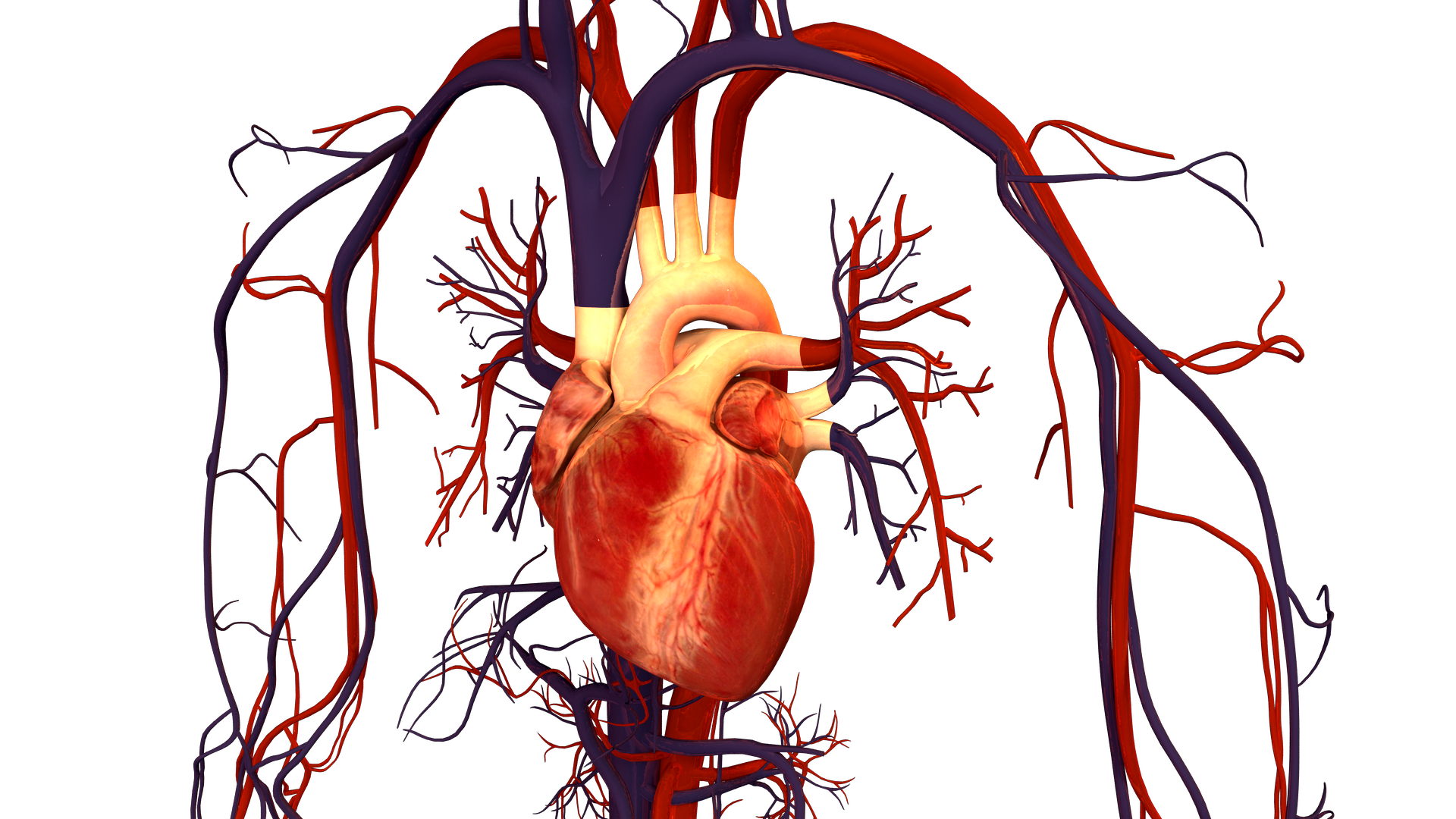
1. The purpose of the pericardium is to contain and protect the heart.
2. Arteries are bigger and flow blood to the body, while veins are smaller they have greater volume and flow blood back to the heart.
3. Auricles are an expansion of the atria to allow extra volume inside the chamber, the right auricle collects deoxygenated blood and sends it into the atria.
4. Structural differences between atria and ventricles include: ventricles have thicker walls, ventricles are inferior to the atria, the left ventricle is larger because it has to work harder to pump blood throughout body.
5. The coronary sinus resides on the right atria, and it drains blood from it. The inferior vena cava is an artery at the bottom of the heart which delivers blood from the inferior parts of the body to the heart. The tricuspid valve is a valve surrounded by papillary muscle and has a lot of chordinae tendinae at the bottom of it.
6.
Displaying image.jpeg
7. The "anchoring of the heart valves by the chordinae tendinae and papillary muscle keeps the valve and place, and supports it to help it be stronger.
8.
Displaying image.jpg
9.The function of the semi-lunar valves is to prevent back flow from the arteries back into the ventricles as the heart tries to pump blood.
10 A. If valve disease was to occur on the right side of the heart a person might experience swelling of the ankles and feet, along with water retention and high sodium retention.
    B. If valve disease occurred in the left side of the heart it could cause chest pain as well as dizziness and shortness of breath.
11. After cutting down the anterior wall of the aorta, I could see part of the left ventricle. We could seethe entrance to the left coronary arteries and the left semi-lunar valve. It has three cusps and resides by the artery. the bicuspid valve had a lot of chordinae tendinae attached to its base and the valve itself was surrounded by papillary muscle for extra support.
12. The left side of the heart differs from the right because it is much larger, because it has to pump harder. The walls of the left ventricle are thicker than the walls of the right. The right side of the heart contains the AV and SA nodes and pumps blood to lungs, while the left side pumps to the rest of the body.
13.Displaying image.jpg


Unit Three Reflection

In this unit we learned about the circulatory system and the respiratory system. We learned how blood travels through the various types of vessels like arteries and veins. We studied the anatomy and physiology of the heart in detail as well as the lungs and other areas of the body. We learned how important diet, exercise and clean living are in order to ensure cardiovascular health. Lack of exercise, poor diet and other factors can contribute to things like atherosclerosis and hypertension, which are both cardiovascular diseases. During the direction of the sheep heart we got to witness fist hand what the chambers and vessels of the heart really look like, which helped us understand its functions better. Promoting cardiovascular health is really all about the day-to-day, and taking healthy preventative measures to prevent cardiovascular diseases and defend yourself against heart attacks or strokes. Being healthy, eating right, not smoking, exercising and resting all can help[ promote good cardiovascular health. I would like to learn more about the respiratory system, which we seemed to sort of rush through, because I'm interested in learning how the lungs filter and absurd the air we breathe. This was a pretty straightforward unit for me and probably one of my only weakness was not preparing more for the temp checks. Being more prepared for those would've resulted in a better understanding of all the information and probably would've helped better my test score. So next unit I will definitely take the temp checks a little more seriously and continue to take extensive notes and keep up with homework. My goal for the rest of the semester would be to try and keep/raise my grade from the level that it is currently at, and I want to start studying for the final as soon as possible. I want to make sure that I am prepared for all big assignments coming up so that my grade stays strong. I'll also try and get more sleep because I told myself last unit that I would and I haven't exactly kept that promise very well.


Monday, October 26, 2015

Monday Wellness: Snacking

We learned that it's important to choose healthy foods when snacking. Foods that are high in protein and fiber and low in calories. It's good to snack throughout the day because it makes you less hungry at mealtimes. The snack we made was apple and peanut butter with almonds which is healthy because it contains lots of vitamins and monounsaturated fats. It's important to stay away from foods that are processed and contain lots of artificial colors and ingredients. Displaying image.jpg
Photo of snack made in class

Tuesday, October 13, 2015

Measuring Blood Pressure

When comparing systole and diastole, systolic pressure is the result of the contraction of the ventricle, while diastolic pressure is found when the ventricle relaxes. The equipment used from measuring heart rate is simply a finger or two, while the equipment needed to measure blood pressure is a little more extensive: A stethoscope and a sphygomomanometer, or blood pressure cuff. uses your thumb to measure blood pressure is not ideal because it has it's own pulse and cause confusion in the measurement. To take blood pressure, you have the person sit and relax completely while you slide on the sphygomomanometer around their uppper arm (close to elbow). Put on the stethoscope and place it near or under the cuff to hear the pulses. Inflate the cuff till around 150 or 160 then slowly begin to release air. Record the number you hear at the "whoosh" and the number you hear at the last pulse. The first number is the systolic pressure and the second is the diastolic, and there you have it!

Wednesday, October 7, 2015

Unit Two Reflection

Wednesday, September 30, 2015

Monday Wellness Reflection

For my Monday wellness assignment, my partner Taylor and I discussed warmups and cool downs. The activities that proceed and follow a proper work out. We chose this topic because we both play varsity water polo and know how beneficial a good warm up can be on the body and athletic performance. We also know how much better you feel after a work out when you cool down. On the other hand we have also experienced the opposite affects when we didn't warm up and skipped cooling down. So we agreed that it was important to stress the importance of these activities and how vital it is to preform them correctly and completely, to the many students and student athletes in the class. 
One of the most interesting thing that I discovered during research process was how crucial it is to stay hydrated and drink lots of water. I have definitely started to drink more water throughout my days and while I exercise. Being dehydrated cause light headedness and weakness that I have witnessed and experienced so I was very glad to have come across that information cause it has certainly helped me avoid those feelings. I also didn’t realize that I needed to stretch throughly before, and after exercising. This assignment taught Taylor and I a lot about safe, healthy, exercise and we decided that maybe others would learn a lot too. 
This topic is important to health and wellness because most people in high school exercise regularly through sports, PE, club sports and other means. So that means people need to understand the importance of warming up and cooling down because if you don't properly warm up, your blood vessels with not be dilated resulting in stress on your heart. The heart, lungs, and muscles, not ready to supply or receive the increase demand of oxygen resulting in hindered abilities. If you don't cool down and stretch sufficiently after working out the athlete is likely to experience soreness, stiffness, and cramping in the muscles. Many people, myself included, often don't give warming up the respect it deserves and don't complete it properly. And many have reported that they don't cool down at all. So it is important to the health of the person who is performing the exercise to realize the importance of these activities and learn to execute them in a safe and sufficient way. 

If I had to grade myself on a scale of 1-10 I would probably say an 8. I felt confident in the presentation and in my understanding of the information, but looking back, I realize I read from my notes more than I would have liked. I do believe Taylor and I worked well together, and I liked our activity cause it was very interactive and general, yet informative and, hopefully, helpful to someone! I think our powerpoint was well-organized but we definitely should have rehearsed a little more, to insure we were prepared and in sync. Although, overall, I did like our presentation and I do think it was fun and information. I know I learned very much throughout this assignment and I hope others learned as well.

https://docs.google.com/presentation/d/174YfI86ll-wqBeWOV-odRIM0vDHIaYrYbmOegVihlg8/edit#slide=id.gbceffb9ad_1_25

Monday, September 21, 2015

Nutrition Analysis

In the Falcon Market the class and I researched foods that we eat regularly, and discovered that foods that may seem healthy actually contain lots of sugar and in some cases trans fat. The "Starbucks Station" was particularly interesting because when I go their I get black or green iced tea and think that I'm making a relatively healthy choice. When in reality there is LOTS of sugar that I was unaware of and will probably ask for less or no sweetener from now on. The "Fast Food" station was very interesting but not as relevant to my life because I rarely eat fast food, but the information discovered, such as one large fries contains 500 calories, was stunning. 500 calories for a side order is extremely high and I will definitely be avoiding that. We also learned about BMI and BMR which was fun because it showed how much the body needs to function even when doing absolutely nothing.

According to my food graphs I sometimes don't even meet my BMI calorie intake requirements. This is probably because I get a pretty good breakfast and dinner, but my lunches are usually small or non-exsistent. In the three days of food monitoring I barely reached the 100% goal of any of the categories, and was especially low in the grain, vegetable, and dairy groups. There aren't many forms of dairy I like, but I do enjoy milk and cheese and could try to increase my dairy intake by drinking a glass of milk every morning and one at night. And for grains, I could change some of my processed bread products to whole grain and add them into my lunch regularly, through sandwiches or other things or maybe add them into my breakfast through toast of cereal. For vegetables I'll try to incorporate more into my days and in more variety. I do seem to get good amounts of fruit and protein in because I have fruit with my breakfast everyday and have lots of fresh fruit around for snacks. I should definitely try to vary my protein choice, because most of the protein I get is through poultry like chicken and turkey, with the occasional steak, but rarely ever fish or seafood. The omega-3 in seafood is essential for our bodies and I seem to be missing out on all of its benefits.

If I was to advise someone on nutrition I would stress the importance of balancing and varying their diet. Adding lots of fruit and vegetables and would encourage them to trade the fast food stop for a salad or soup or something lighter and less processed. I would advise them to avoid trans fat and vary their protein choices and stress the importance of incorporating seafood. I would tell them to check the labels of the foods they eat, and warn them that not all foods are as healthy as they seem.

Wednesday, September 16, 2015

What is Health?

What Is Health?
Health is the measure of our body's efficiency and over-all well being. The five pillars of health are nutrition, social, stress, sleep, and exercise. When all five pillars are managed and cared for properly our bodies can function their best and we can lead our best lives. For me, nutrition is the balance and moderating of nutrients, exercise is my water polo practices and games. Stress management for me involves allowing time to unwind and doing activities that I enjoy. Socially, my friends and family are vital to my mental health and I would not have an "over-all well being" without them.Sleep is probably the pillar I could improve on most because I don't get 8 hours a night and will definitely try to make that happen in the future

Tuesday, September 8, 2015

Doctor
Veterinarian
shedd penguin care
Physician

Works Cited
"How to Find a Doctor." Sutter Health. N.p., n.d. Web. 8 Sept. 2015. 
     <http://www.pamf.org/findadoctor/>. 

"Physician Growth Increases, But It’s not Enough." Health Jobs. N.p., n.d. Web. 
     8 Sept. 2015. <http://blog.healthjobsnationwide.com/ 
     north-carolina-sees-an-increase-in-physician-assistants/>.

 "Veterinary Hospitals and Labs." Shedd Aquarium. N.p., n.d. Web. 8 Sept. 2015. 
     <http://www.sheddaquarium.org/Animals--Care/Animal-Health-Welfare--Training/ 
     Veterinary-Hospitals--Labs/>. 

Unit One Reflection

This unit was mainly about understanding the fundamentals of anatomy and physiology and learning more in depth about the tissues that make up our bodies. We learned about cell structures and how they relate to the function of the tissues they form. I learned a lot from this unit, especially in regards to connective and epithelial tissues which, before this unit, I knew nothing about. The main and most essential understanding is how the structure or anatomy of a tissue directly correlates to its function, or physiology. I feel like now that we have covered the base level of anatomy and physiology I will be able to move on to the next unit ready to connect the new lessons to the previous ones and continue to find more connections and applications from our lessons to the outside world.

I find this class particularly important due to its relevance to ourselves as humans. Without a solid understanding of our bodies and how they function, how would we be able to take care of them properly? For example when I would sprain or hurt say my ankle, I would ice it for very long periods of time, not knowing that I could actually be slowing or stopping the healing process from fully caring out.  The things we learn in this class, like about the inflammation process, can actually be used practically in the outside world which is one of the reasons I like it, and the information used in this class is needed for countless careers and jobs, like doctors, physicians, surgeons, veterinarians and more!

Monday, September 7, 2015

Epithelial Tissue Slide Photo

Tissue Lab

In this lab we (the class) analyzed and sketched different types of tissues under a microscope. We identified the tissues and drew sketches labeling specific parts and areas. We then connected our findings to our lecture notes and other readings. For example, one of the slides we looked at was a sample of ground human bone, which had very specific and defining characteristics. One thing we learned in our lecture was that skeletal muscle tissue cells are long and have a cylindrical shape with striations, or bands of fibers, and the skeletal cells we looked at reflected that precisely. I could clearly see the multiple nuclei and defining cylindrical shape and labelled them in my sketch. And then when I looked at the slide that contained a smear of human blood I could see all the red blood cells and could even make out the indentations in their center that I learned about through our specialized cell assignment. There was no visible nucleus because, as I had learned previously, red blood cells don't have nuclei. It was incredibly interesting to see that all the different tissues had all different structures and densities. Even muscle tissues were vastly varied, cardiac being much less dense and with more separation between layers while skeletal was more densely layered with more visible nuclei.

Monday, August 31, 2015

Red Blood Cells

Red blood cells are vitally important. As stated on The University of Michigan's Health System website, they are the biggest and arguably most important part of the blood system. They travel to the lungs and carry oxygen, which attaches to the hemoglobin inside the red blood cells, to the rest of the body while also removing waste. The University of Rochester's Medical Center page describes red blood cells as, "round, with a flattish, indented center, like doughnuts without a hole," they travel throughout the blood stream and work non-stop to supply our bodies with the vital oxygen they need, however red blood cells don't live forever. The Franklin Institute estimates that the average life cycle for red blood cells is around one hundred and twenty days, but the body is constantly producing more so thankfully we don't run out. Seeing that red blood cells are, well, "blood cells", that means they form connective tissues. Mr. Orre taught several functions for connective tissues, one example being how that connective tissues act as a major transport system in the body. Red blood cells are considered cells, however the New World Encyclopedia tells that red blood cells do not have a nucleus or DNA and many other typical eukaryotic organelles, like mitochondria. They do not reproduce themselves because they are produced in the red bone marrow then distributed to the rest of the body. 

Works Cited for "Red Blood Cells" Post
“Red Blood Cell.” New World Encyclopedia. N.p., n.d. Web. 31 Aug. 2015. <http://www.newworldencyclopedia.org/entry/Red_blood_cell>.
“Red Blood Cell (Erythrocyte).” University of Michigan Health System. N.p., n.d. Web. 30 Aug. 2015. <http://www.uofmhealth.org/health-library/tv7033>.
“Red Blood Cells.” The Franklin Institute. N.p., n.d. Web. 30 Aug. 2015. <https://www.fi.edu/heart/red-blood-cells>.
“What Are Red Blood Cells?” University of Rochester Medical Center. N.p., n.d. Web. 30 Aug. 2015. <https://www.urmc.rochester.edu/encyclopedia/content.aspx?ContentTypeID=160&ContentID=34>.

Sunday, August 30, 2015

Carbohydrates!

Sweetness Lab Photo

Sweetness Lab Reflection

In today's lab my lab group and I analyzed the physical properties, like color and texture, of different carbohydrates. We also tasted each carbohydrate and rated the sweetness on a scale of one to two hundred. A trend that I noticed during the lab was that the carbohydrates with less rings in it's structure, tended to have more of a sweet taste than those with more rings. The sweetest carbohydrate (in my opinion) was the fructose, with is a monosaccharide, while the least sweet carbohydrates were starch and cellulose, which are both polysaccharides. Many of the carbohydrates we tasted are components of the foods I eat regularly. Starch for example is found in foods like bread, and potatoes, while sucrose is found in ever fruit and vegetable. I consume fructose every day because fructose is found in fruits and honey and I use honey to sweeten the tea that I drink regularly. According to
The Colorado State University's website, humans are able to taste these sweet flavors thanks to taste receptor cells that exsist on our taste buds, sweet flavors are identified by the taste receptors usually on the tip of the tongue recognizing nutrients that contain high energy, like sucrose. Without our sweet taste receptors, we wouldn't have tasked anything in the lab!

Wednesday, August 19, 2015

Works Cited


"Sweetness" Works Cited
“Colorado State University.” Physiology of Taste. N.p., n.d. Web. 30 Aug. 2015. <http://www.vivo.colostate.edu/hbooks/pathphys/digestion/pregastric/taste.html>. This is sweetness lab post